

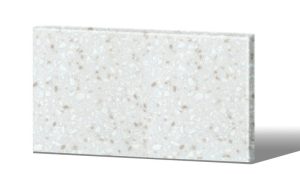
 Acrylic solid surfaces is a type of man-made material that is known for its durability, versatility, and aesthetic appeal. It is primarily composed of a combination of acrylic resins and a filler material, often alumina trihydrate (ATH), which is technically treated to be eco-friendly. This material is non-porous, which means it does not absorb liquids and is resistant to staining, making it an excellent choice for surfaces like countertops, sinks, and bathroom vanities.
Pros of Acrylic Solid Surfaces
- Durability: Acrylic solid surfaces are resistant to scratches, stains, and
moisture, making them ideal for high-traffic areas such as kitchens and bathrooms. - Design Flexibility: They can be fabricated into various shapes and forms, allowing for seamless designs without visible joints.
- Hygienic Properties: Acrylic surfaces have a non-porous nature, making them easy to clean and resistant to bacteria and mold growth, which is crucial for maintaining a hygienic environment in food preparation areas.
- Thermal Forming: The material can be easily heated and molded, enabling
intricate designs and customizations that other materials might not allow. - Renewability: If scratched or damaged, acrylic surfaces can be sanded and polished back to their original finish, extending their lifespan and maintaining their aesthetic appeal.
- Variety: There is a wide range of colors and patterns available, enabling homeowners to choose options that match their decor.
Cons of Acrylic Solid Surface
- Softness: Although durable, acrylic surfaces are softer than materials like
granite or quartz, making them more susceptible to scratches from sharp objects and cutting due to not following standard usage procedures. - Installation: Professional installation is generally required, which can add to the overall cost of the project.
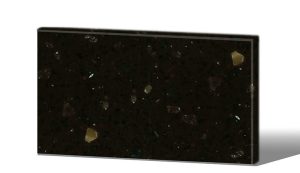
Acrylic solid surfaces is a type of man-made material that is known for its durability, versatility, and aesthetic appeal. It is primarily composed of a combination of acrylic resins and a filler material, often alumina trihydrate (ATH), which contributes to its unique properties. This material is non-porous, which means it does not absorb liquids and is resistant to staining, making it an excellent choice for surfaces like countertops, sinks, and bathroom vanities.
Pros of Acrylic Solid Surfaces
- Durability: Acrylic solid surfaces are resistant to scratches, stains, and moisture, making them ideal for high-traffic areas such as kitchens and bathrooms.
- Design Flexibility: They can be fabricated into various shapes and forms, allowing for seamless designs without visible joints. This flexibility enables unique
and modern architectural expressions. - Hygienic Properties: Acrylic surfaces have a non-porous nature, making them
easy to clean and resistant to bacteria and mold growth, which is crucial for
maintaining a hygienic environment in food preparation areas. - Thermal Forming: The material can be easily heated and molded, enabling
intricate designs and customizations that other materials might not allow. - Renewability: If scratched or damaged, acrylic surfaces can be sanded and
polished back to their original finish, extending their lifespan and maintaining their
aesthetic appeal. - Variety: There is a wide range of colors and patterns available, enabling
homeowners to choose options that match their decor
Cons of Acrylic Solid Surface
- Softness: Although durable, acrylic surfaces are softer than materials like
granite or quartz, making them more susceptible to scratches from sharp objects
and cutting. - Installation: Professional installation is generally required, which can add to
the overall cost of the project.

Quartz countertops are engineered stone surfaces made primarily from crushed natural quartz crystals combined with resins, polymers, and pigments. This mixture creates a material that is not only hard and durable but also offers the aesthetic appeal of natural marble.
Pros of Quartz
- Durability: Quartz is an incredibly durable material. It is resistant to scratches, chips, and cracks, making it suitable for high-usage areas like kitchens
- Variety in Aesthetics: Quartz countertops come in a wide range of colors and patterns, allowing for greater design flexibility. This variety is often enhanced by the inclusion of pigments and resins during the manufacturing process.
- Stain Resistant: The non-porous nature of quartz means it is highly resistant to stains from spills, such as wine or juice, which makes it particularly practical for kitchens
Cons of Quart
- Cost: Quartz is more expensive than other countertop options, which may be a consideration for budget-conscious consumers.
- Higher cost of maintenance: Relatively higher cost than other types of solid surfaces, might be unfixable.
- Visible Seams: Although quartz countertops can be joined to minimize seams, they are still visible in certain instances. This can affect the overall aesthetic, especially on large surfaces.
- Installation Difficulty: The installation of quartz countertops can be complex and may require professional assistance, increasing the overall cost and coordination needed compared to simpler materials.
- Not Completely Natural: While quartz is a natural stone, the countertops are engineered with resins, silica, and polymers, which may be a consideration for those preferring fully natural materials.

Porcelain countertops are surfaces made from a type of clay that is fired at high temperatures, resulting in a dense and durable material. They are designed to mimic the appearance of natural materials like marble, wood grain, or concrete, and are available in a wide range of colors and patterns.
Pros of Porcelain Countertops
- Durability: Porcelain is one of the strongest materials available for countertops, being almost 30% stronger than granite. It is highly resistant to scratches, chips, and cracks, making it ideal for high-use areas like kitchens.
- Stain Resistance: The non-porous surface of porcelain helps prevent stains from penetrating, allowing for easy cleaning and maintenance. It does not absorb liquids or odors, which are beneficial in food preparation areas.
- Variety of Designs: Porcelain countertops come in a wide range of colors, patterns, and finishes. They can mimic the look of natural stone, wood, or even concrete without the associated drawbacks.
- Heat Resistance: Porcelain can withstand high temperatures without getting damaged, making it suitable for cooking applications where hot pots or pans might be placed directly on the surface
Cons of Porcelain Countertops
- Limited Edge Options: Due to their thinness (usually ¼ inch or ½ inch), porcelain countertops have fewer edge profile options compared to thicker materials like Acrylic solid surface or quartz. This can limit customizing the look of the countertop.
- Cost: High quality porcelain slabs may be expensive, especially factoring in installation costs.
- Can be broken and poor fixability: Though durable, porcelain can chip if heavy items are dropped on them or if they are subjected to excessive impact. welding seems are obvious.
- Installation Complexity: Installing porcelain requires skilled labor due to the material’s fragility during cuts and handling. DIY installations may lead to damaging the slabs.


